
It is tempting to set the mower low and cut the grass as short as possible. You get fewer mowing days, a crisp look, and a little more free time on the weekend. Unfortunately, cutting your grass too short is one of the most common mistakes in lawn care, and it can leave your yard thin, brown, and full of weeds within a few weeks.
The good news is that this problem is easy to prevent once you understand what a low cut does to your grass. In this guide, we explain why mowing too short hurts your lawn, how to spot the damage, and which mowing height works best for Kansas City yards.
What Does Cutting Grass Too Short Really Mean?
Cutting grass too short means removing more than one-third of the blade in a single mowing, or setting your mower deck lower than your grass type can tolerate. When the cut is severe enough that you see bare soil or yellow-tan stems, it is called scalping.
Each grass blade works like a tiny solar panel, while the base of the plant, called the crown, stores energy and water. A very low cut removes the solar panel and the protective cover around the crown at the same time. That is why a lawn mowed too low often struggles for weeks afterward.
How a Low Cut Damages Your Lawn
It Weakens the Root System
Grass roots grow roughly in proportion to the height of the blades above them. When you cut the blades short, the plant sends less energy downward, and the roots stay shallow. Shallow roots cannot reach deeper soil moisture, so your lawn dries out faster and recovers slowly from stress.
It Reduces Photosynthesis
Blades make food for the plant through photosynthesis. Short blades mean less surface area to capture sunlight, so the grass has to burn through stored energy just to regrow. The result is a weak, pale lawn that thins out over time.
It Opens the Door for Weeds
Taller grass shades the soil and keeps weed seeds from sprouting. Cut the grass low, and sunlight reaches the ground. Crabgrass, clover, and other weeds quickly take advantage of those gaps.
It Increases Heat and Drought Stress
Kansas City summers are hot, with long dry spells. Exposed soil heats up and loses moisture quickly, and short grass offers very little protection. Cool-season grasses such as tall fescue and Kentucky bluegrass are especially vulnerable to this kind of stress.
Signs You Have Cut Your Lawn Too Short
Watch for these warning signs after mowing:
- Brown or tan patches a few days after mowing
- Visible soil or thatch between the grass blades
- Yellow, stubby stems instead of green blades
- Weeds that suddenly appear in thin areas
- A lawn that needs far more water than usual to stay green
If you notice several of these signs, raise your mower deck right away and give the grass time to recover.
The Right Mowing Height for Kansas City Lawns
Kansas City sits in the transition zone, where summers are hot and winters are cold, so most local yards are planted with cool-season grasses. As a general guide:
- Tall fescue: 3 to 4 inches
- Kentucky bluegrass: 2.5 to 3.5 inches
Aim for the higher end of the range in summer, and lower the height slightly for the final mow of the season in late fall. These ranges are general guidelines, so adjust them for shade, soil, and the seed mix in your yard.
Follow the One-Third Rule
Never remove more than one-third of the grass blade height at one time. If your tall fescue has grown to 6 inches and your target is 4 inches, cut it down to 4 inches, not 2. If the grass has grown too tall, bring it down in stages over several days.
Keep Mower Blades Sharp
Dull blades tear grass instead of slicing it cleanly, leaving ragged, brown tips that invite disease. Sharpen your mower blades at least once a season for a cleaner cut and faster healing.
Stay Consistent With Your Routine
The best results come from a steady routine. Mow on a regular schedule, change your mowing direction each time, and leave short clippings on the lawn so they return nutrients to the soil. A consistent lawn care routine matters far more than any single mowing.
How to Fix a Lawn That Was Cut Too Short
If the damage is already done, follow these steps:
- Raise the mower deck to the top of the recommended range and hold off on mowing until the grass grows back.
- Water deeply, not often. Aim for about one inch per week, including rainfall, preferably in the morning.
- Be gentle. Limit heavy foot traffic, and skip weed killers and heavy fertilizer until the grass recovers.
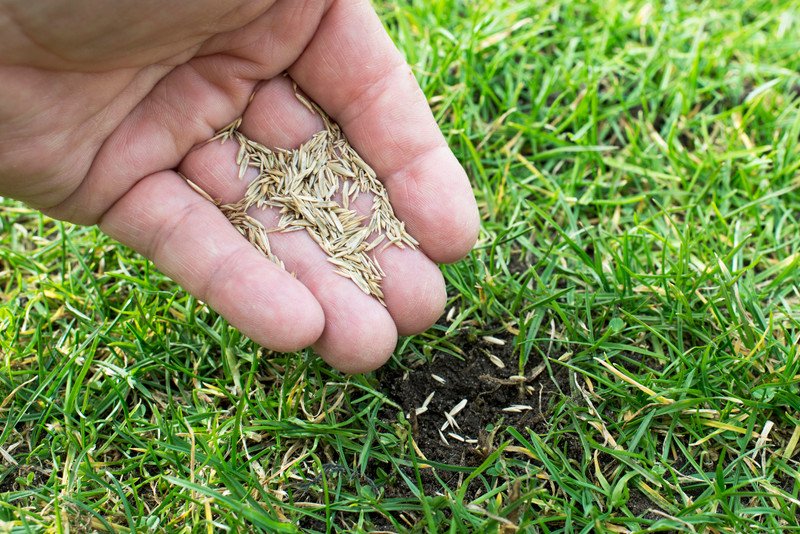
- Overseed bare areas. Tall fescue grows in clumps and does not spread to fill gaps on its own, so thin spots need new seed. In Kansas City, early fall is the best window. Learn more about our overseeding service.
- Be patient. Mild scalping often recovers in a few weeks, while severe damage can take a full season.
When to Call a Professional
Mowing looks simple, but small details such as deck height, blade sharpness, and mowing frequency make a big difference. If you do not have the time or the right equipment, a professional mowing service can keep your grass at the proper height all season long.
A trained crew also adjusts for weather, grass type, and seasonal changes, and handles edging and cleanup so your yard always looks neat. Many homeowners find that professional lawn care costs less than repairing a scalped yard with new seed and extra water.
Frequently Asked Questions
Will grass grow back if it is cut too short?
In most cases, yes. Mild scalping usually recovers within two to four weeks once you raise the mowing height and water properly. However, tall fescue does not spread to fill bare patches, so severely damaged areas often need overseeding.
How short is too short to cut grass?
For most cool-season lawns in Kansas City, anything below about 2.5 inches is too short. Removing more than one-third of the blade in a single mowing is also too much, no matter what the final height is.
Does cutting grass short make it grow slower?
Not in a healthy way. A short cut forces the plant to use stored energy to regrow, so the lawn becomes thin and weak even though it may still need regular mowing.
Should I raise my mower height in summer?
Yes. Raising the deck by about an inch during hot, dry weather shades the soil, reduces moisture loss, and keeps the roots cooler, which helps the grass handle heat stress.
Is professional lawn care worth it?
For many homeowners, yes. A professional crew provides a consistent mowing height, sharp equipment, and a reliable schedule, which protects your grass from scalping and saves you time and effort.
Keep It Tall, Keep It Healthy
Cutting your grass too short may save a little time today, but it costs your yard strength tomorrow. Mow at the right height, follow the one-third rule, keep your blades sharp, and your grass will grow deeper roots, resist weeds, and stay greener through the Kansas City heat.
If you would rather leave it to the experts, O.R. Lawn & Landscape provides reliable lawn care for homeowners across Kansas City, Overland Park, Prairie Village, Mission, Merriam, and nearby communities. Call (913) 687-8215 or request a free estimate today.